The area
El Cabanyal, Valencia’s old fishermen’s quarter
Narrow streets running parallel to the sea, façades covered in colourful tiles, murals and squares lined with palm trees. El Cabanyal keeps its traditional neighbourhood life while being one of the liveliest areas in Valencia.
Within a few minutes’ walk you’ll find the Cabanyal Market, historic taverns such as Casa Montaña (open since 1836), Plaça del Rosari with the Teatre El Musical, and plenty of bars and terraces to eat well without taking the car.
Our favourite places in the neighbourhood
What to see and where to eat in El Cabanyal
Eat & drink
- Casa Montaña
Historic bodega founded in 1836. Over a thousand wines and classic tapas: anchovies, seasonal artichokes, salt-cod brandade.
Carrer de Josep Benlliure, 69Directions - Casa Guillermo
Long-running family bar, famous for its hand-picked Cantabrian anchovies.
Carrer del Progrés, 15Directions - Anyora
A bodega of “old-time food”: grandma’s recipes with local produce and natural wines.
Carrer de Vicent Gallart, 15Directions - Bodega Aldeana 1927
Valencian mid-morning “esmorzaret” and Cabanyal recipes: baby cuttlefish, corn flatbread and rice dishes.
Carrer de Josep Benlliure, 258Directions - La Paca
Bohemian vibe and a sunny terrace. Home-made vermouth and all kinds of tortillas.
Carrer del Rosari, 30Directions - La Pepica
On the seafront since 1898: the classic beach paella house, once frequented by Hemingway.
Passeig de Neptú, 6Directions - Casa Carmela
Over a hundred years cooking paella over orange-wood fire, in La Malvarrosa.
Carrer d'Isabel de Villena, 155Directions
See & do
- Mercat del Cabanyal
The neighbourhood market: over 150 stalls with fresh fish and local produce.
Carrer de Martí Grajales, 4Directions - Museo de la Semana Santa Marinera
In a former rice mill: sculptures, costumes and the story of the seaside Holy Week. Free entry.
Carrer del Rosari, 1Directions - Teatre El Musical
Municipal theatre for performing arts and music, on the neighbourhood’s prettiest square.
Plaça del Rosari, 3Directions - Fábrica de Hielo
A former ice factory turned cultural venue: concerts, markets and events.
- Las Arenas beach and seafront promenade
About a 15-minute walk (4 minutes by bike). The palm-lined promenade runs to La Malvarrosa: perfect for a run, a bike ride or the sunset.
- La Marina de València
The old harbour, with the Veles e Vents building, waterside walks and terraces for sundowners.
Opening hours and bookings: please check with each place before you go.
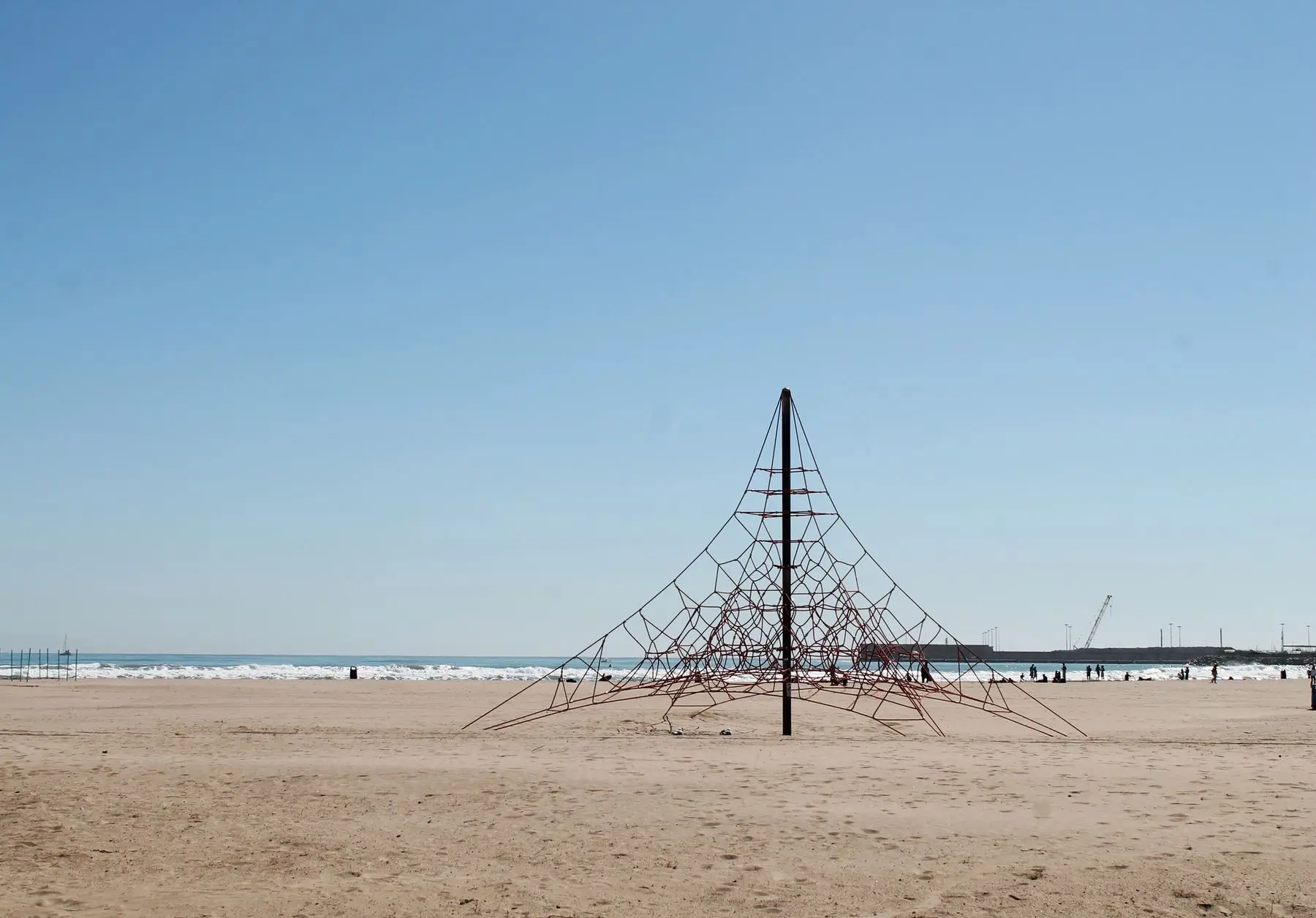
The beach
From your door to the sand in a short stroll
Las Arenas beach is about a 15-minute walk away, or 4 minutes by bike: head down with your towel in the morning and come back home for lunch. Fine sand and a palm-lined promenade that runs on to La Malvarrosa.
In the evening the promenade is perfect for a run, a bike ride or watching the sunset over a paella by the sea.
From fishermen’s huts to today’s neighbourhood
History of El Cabanyal
El Cabanyal was born as a fishermen’s village on the sand, facing the sea. Its name comes from the “cabanyes”, the straw-and-timber huts where the families working the beach lived.
- 17th century
Fishermen’s huts spread along the sand between the irrigation channels that would later name the districts: Canyamelar, Cabanyal and Cap de França.
- 1796
A huge fire destroys almost the entire village. It is rebuilt with straight streets running parallel to the sea: the grid you still walk today.
- 1837
The three districts become an independent town, the Poble Nou de la Mar. Throughout the 19th century it also becomes a summer retreat for well-off Valencian families.
- 1875
Another fire burns many huts, and a municipal bylaw bans rebuilding them with straw roofs. Brick houses of one or two storeys appear.
- 1897
The Poble Nou de la Mar is annexed to the city of Valencia.
- Early 20th century
Popular modernism flourishes: façades covered in colourful tiles, wrought-iron balconies and mouldings — the look that makes the area unique today.
- 1993
The historic core is declared a Site of Cultural Interest (BIC).
- 1998
A plan is approved to extend Avenida de Blasco Ibáñez to the sea, which would have demolished 1,651 homes. Residents form the Salvem el Cabanyal platform.
- 2009
Spain’s Ministry of Culture declares the plan a plundering of heritage.
- 2015
The new city government repeals the plan and the neighbourhood enters a period of renewal that continues today.
Beyond its architecture, El Cabanyal keeps its own traditions, such as the seaside Holy Week (Semana Santa Marinera) with medieval roots, and a neighbourhood life lived in the market, the bodegas and the street.
What our guests say
4.82 out of 5 · 163 reviews on Airbnb
I would definitely come back: comfortable, clean and everything just as described.
Perfect stay in a quiet area close to restaurants and the beach. Clean apartment with everything you need.
Perfect for exploring Valencia, with public transport, supermarkets and bars nearby. Very quiet for a good rest, everything very clean and comfortable.
Where to stay in the area
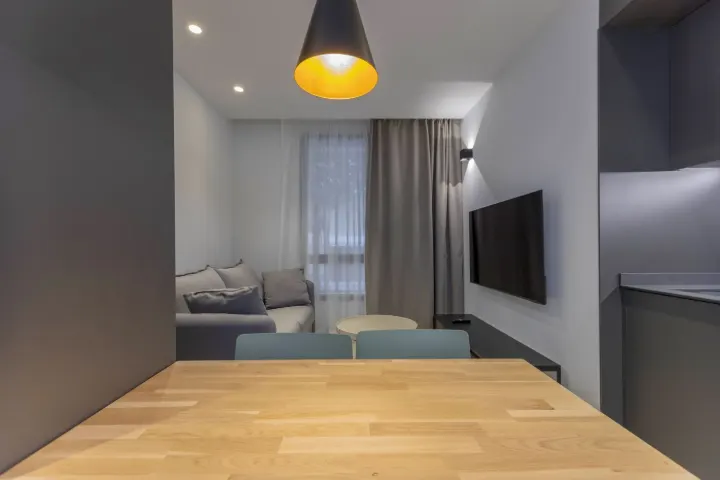
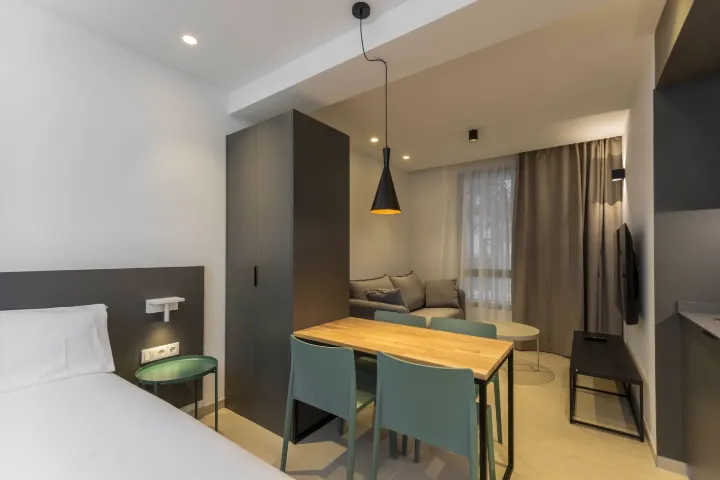
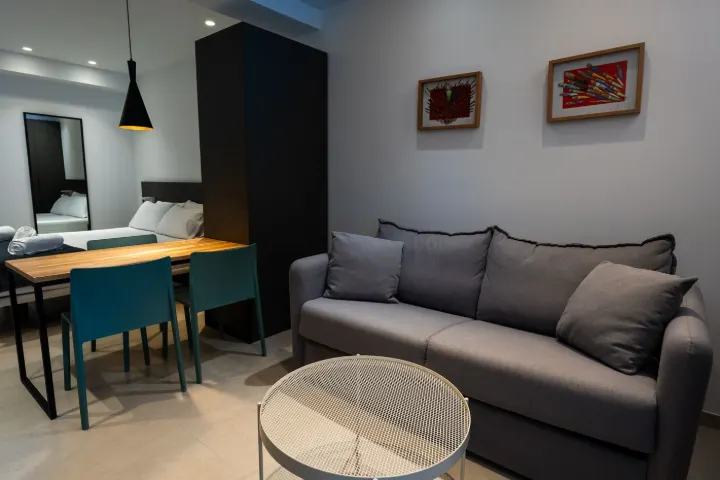
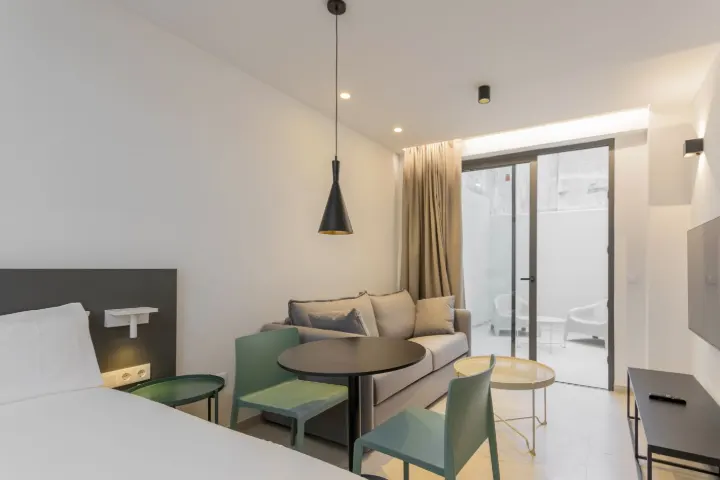
Our eight apartments are at Carrer de Vicent Brull, 73, right in El Cabanyal.
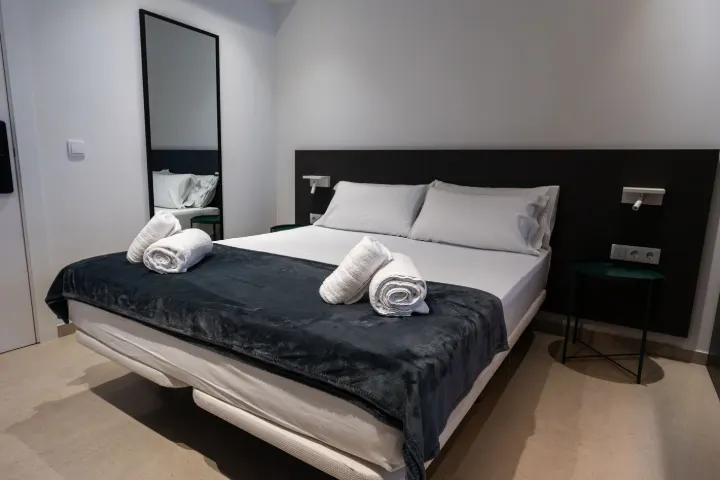
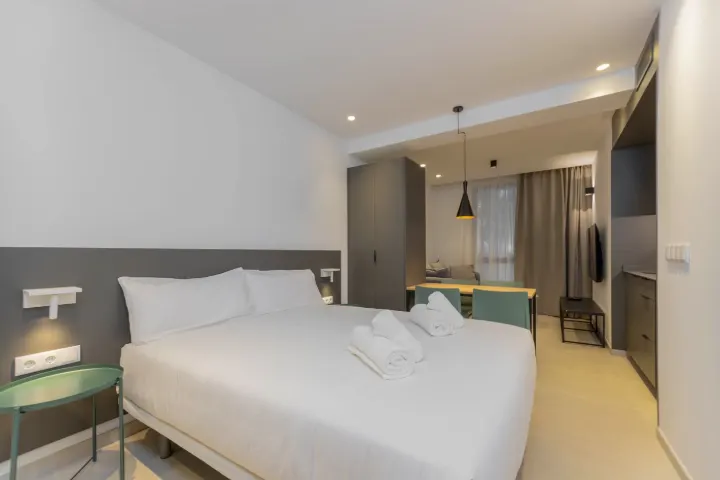
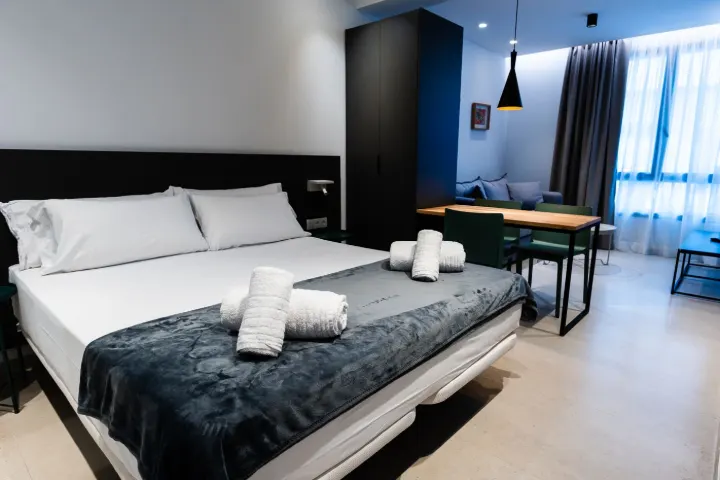
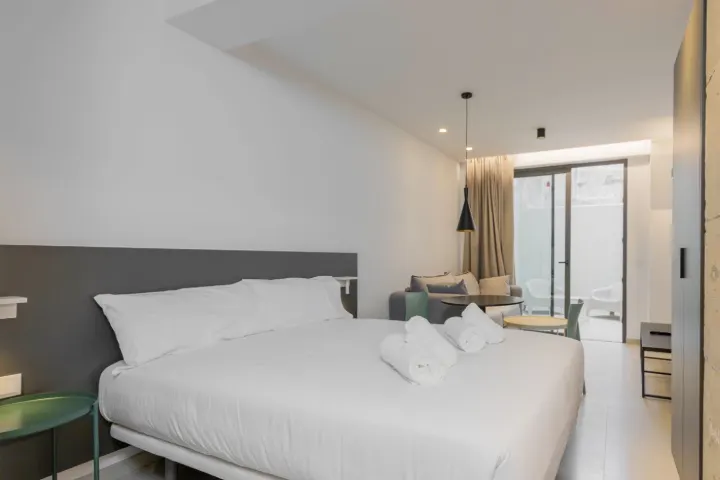
Staying in El Cabanyal?
Eight brand-new apartments right in the neighbourhood. Book direct with us.
